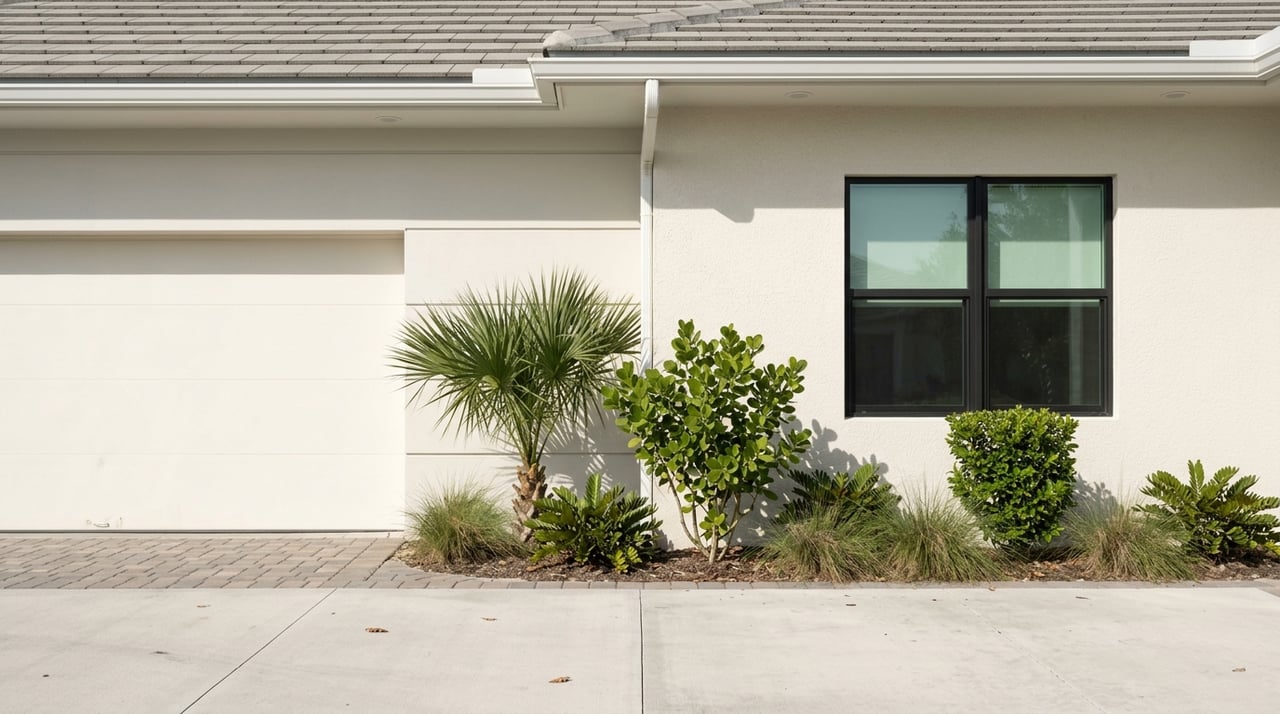
Belleair Homeowners: Should You Repair, Renovate, or Sell As-Is?
If your Belleair home needs work, the biggest question is not always what to fix. It is whether fixing anything at all is the smartest move. In Belleair, that choice can be shaped by flood-zone rules, permit requirements, storm-repair compliance, and even historic-property approval before you ever get to paint colors or contractor bids. This guide will help you sort through when it makes sense to repair, when a larger renovation may pay off, and when selling as-is may be the cleaner path. Let’s dive in.
In Belleair, home condition is only part of the story. The town notes that everyone lives in some type of flood zone, and its Building Department oversees Florida Building Code enforcement, FEMA compliance, and permits for common repair categories such as roofing, windows, driveways, and systems work. That means even straightforward projects can carry more planning than many homeowners expect.
It also helps to understand that flood risk is layered. Pinellas County explains that flood zones, evacuation zones, and storm surge are different things, and a home can be outside an evacuation zone but still sit in a high-risk flood zone. Before you decide to repair, renovate, or sell, it is smart to check all three.
Flood insurance matters too. According to Pinellas County flood guidance, flood insurance is separate from standard homeowners coverage, and homes in high-risk zones with federally backed mortgages must carry it. Buyers know this, so insurance cost can affect value whether you renovate or sell as-is.
Before you commit to any path, gather the facts that will shape the decision. In Belleair, a project that looks manageable at first can become much more expensive once permitting, code compliance, documentation, and floodplain requirements are added.
One key threshold is the substantial-damage or substantial-improvement rule. Pinellas County states that if repair cost reaches 49% or more of the structure’s value without land, the home may need to be brought into compliance with current floodplain rules, which can include elevating or replacing the structure.
That 49% calculation is broader than many owners expect. The county says it can include labor and materials, demolition and debris disposal, contractor overhead and profit, utility and service equipment, site prep, code-compliance costs, elevation or floodproofing work, and even owner or volunteer labor at market rates. So even if you plan to do some work yourself, that may not lower the code threshold.
If you want a clear answer, collect the right documents first. This gives you a more realistic picture of cost, risk, and resale potential.
Belleair is clear that permits are required for storm-damage repairs, even if the work has already been completed. The town’s one-time waiver for certain after-the-fact storm permits expired on December 31, 2025, according to its storm repair permit page. If work was done without permits, that can affect both your renovation plan and your eventual sale.
The town also requires contractors to be licensed with the State of Florida and registered with Belleair, with liability and workers’ compensation documents on file, as noted on the Building Department page. Pinellas County also warns homeowners to avoid contractors who claim major or structural repairs do not need permits in its post-storm scam warning.
Repair is often the best choice when the house is fundamentally sound and the work is limited. If your needed updates are mostly cosmetic or involve smaller fixes that stay well below the 49% threshold, a repair-first strategy can improve marketability without triggering a bigger compliance issue.
This path may make sense if you are dealing with items like worn finishes, non-structural updates, or isolated repairs that have a clear return. It can also work well when the permit path is straightforward and your contractor estimates leave enough room for resale upside.
In Belleair, simple projects still need to be approached carefully. The town’s permit fee schedule includes a $250 administrative fee for floodplain projects, and some homes in special flood hazard areas may need elevation or floodproofing certificates and final surveys under the town’s building rules. Those added steps are exactly why it helps to price the full project before deciding.
Renovation usually makes sense when the home is worth keeping, the upgrades will meaningfully improve function or saleability, and the compliance path is still manageable. This is often the middle ground for Belleair owners who have a desirable location and a property with strong underlying value, but need more than a few minor repairs.
A thoughtful renovation can help if your home has outdated systems, dated finishes, or layout issues that make it harder to compete. But in Belleair, a renovation plan should be tested against permit requirements, floodplain rules, and realistic contractor pricing before work begins.
For some homes, historic status adds another layer. Belleair says that more than 30 properties are on its Historic Registry, and historic homes can be renovated, but they may need a Standard or Special Certificate of Appropriateness first, according to the town’s historic preservation page. The same page notes that qualifying owners may be eligible for a tax abatement for renovations that preserve historic integrity.
Sometimes the smartest move is not taking on the project at all. Selling as-is can be a reasonable choice when repair costs are likely to approach the structure’s value, when a home has repeated storm or flood damage, or when you simply do not want to manage permits, contractors, and inspection risk.
This option can also make sense when your estimates suggest that repairs may trigger major floodplain compliance. If elevation, floodproofing, or extensive code-driven work could become part of the project, selling as-is may help you avoid spending heavily without a clear return.
That said, as-is does not mean no obligations. Florida law requires residential sellers to provide a flood disclosure at or before contract execution under Florida Statute 689.302. The form asks whether you know of flooding during your ownership, whether you have filed flood-related claims, and whether you received FEMA or other flood assistance.
The law’s definition of flooding is broad. It includes overflow from inland or tidal waters, runoff or surface water from established water sources, and sustained standing water from rainfall. In other words, disclosure is not limited to one major storm event.
If you are unsure where your property falls, use this practical filter.
Belleair participates in FEMA’s Community Rating System, which the town says helps provide a 15% flood-insurance discount for qualifying policyholders through its CRS program. The town also notes that compliant work helps preserve that discount. That is another reason permit compliance matters, even if you are leaning toward an as-is sale.
Unpermitted repairs can remain a listing issue because buyers, insurers, and lenders may all look closely at the property’s history. If your home is in a high-risk flood zone, future buyers may also be factoring in whether flood insurance will be required for a federally backed mortgage under county flood guidance.
The right answer usually comes from comparing three things side by side: your structure-only value, your true repair cost, and the compliance path required by the town. Once you have those numbers, the decision often becomes much clearer.
If you want help sorting through the options, planning pre-sale preparation, or evaluating whether your Belleair home is better positioned for light repairs, a strategic renovation, or an as-is sale, connect with Melissa Hoglund. She brings a calm, local, preparation-first approach to complex Pinellas County selling decisions.
Explore more timely articles covering buying, selling, and investing in today’s market. Melissa’s background brings a data-driven, professional lens to every topic.

May 7, 2026
April 23, 2026
April 16, 2026
April 2, 2026

March 24, 2026
March 5, 2026
February 19, 2026
Melissa’s approach is steady and informed. She advocates with professionalism. Results follow preparation.
Melissa Hoglund
2933 W Bay Drive Belleair Bluffs, FL 33770