Are you trying to decide which part of St. Petersburg actually fits your everyday routine? From where you grab coffee to how you get to the beach or work, each neighborhood moves at a different pace. In this guide, you’ll compare the day-to-day feel of several popular areas so you can focus your home search with confidence. You’ll see how errands, arts, parks, commute patterns, and practical checks like flood zones shape daily life. Let’s dive in.
What shapes daily life in St. Pete
St. Pete’s core districts cluster errands and dining. Central Avenue and Beach Drive offer a steady flow of cafés, restaurants, and quick stops, while many waterfront islands lean car-first for daily needs. That contrast often determines whether you walk for a coffee or plan most errands by car.
Arts and culture create evening and weekend energy. Anchors like museums and open studios mean more after-work plans close to home. The Salvador Dalí Museum draws consistent visitors and locals, while working studios and galleries fuel a monthly rhythm across the arts districts.
Parks and the waterfront set the tone for mornings and weekends. You’ll find daily jogging, dog walks, fitness classes, and long bayfront strolls along the downtown waterfront and nearby parks. If you prefer wilder trails and boardwalks, you can head inland to larger preserves on the weekend.
Commute and transit matter more than you might think. The city’s mean travel time to work is about 25.6 minutes, which is a helpful baseline for planning your day, though your route will vary by destination and traffic. You can also factor in the SunRunner bus rapid transit, which connects downtown St. Pete and St. Pete Beach with frequent service during the day. Downtown circulators like the Looper trolley make car-light evenings and events easier within the core.
Neighborhood snapshots you can feel
Below are quick, plain-English profiles to help you picture a weekday, a weekend, and how you’ll move around. Use them to shortlist which pockets to tour first.
Downtown / North Shore / Beach Drive
- Daily rhythm: Mornings start with joggers along the bay and dog walks by the Pier. Midday brings lunch crowds and museum visitors. Evenings feel lively with restaurants, concerts, and waterfront events.
- Dining and arts: Upscale and casual options line Beach Drive. Museums, galleries, and frequent civic events keep the calendar full.
- Green space: You can walk to the waterfront parks for picnics and fitness any day of the week.
- Getting around: Many residents walk or bike to nearby offices. With Looper and SunRunner access in the mix, you can plan true car-light days for errands and nights out.
- Practical checks: Some buildings sit close to the bay. Verify flood and evacuation info by exact address during due diligence.
- Who it fits: Buyers who want a lock-and-leave condo lifestyle with dining, arts, and parks outside the front door.
Historic Old Northeast
- Daily rhythm: Quiet, tree-lined streets set a relaxed pace. Morning walkers, porch conversations, and short strolls to the waterfront define daily life.
- Dining and arts: Beach Drive and the Central Arts District are a quick walk or bike ride away when you want dinner or a show.
- Green space: North Shore Park and bayfront trails are close for daily exercise. Weekend outings to gardens and museums are easy.
- Getting around: Walk and bike for nearby errands and parks. Drive just a few minutes into downtown for work or dining.
- Practical checks: Historic character can mean older systems and unique maintenance needs. Confirm flood and evacuation details by address.
- Who it fits: Buyers who care about historic charm, walkable parks, and quick access to downtown without living in the middle of it.
Kenwood / Grand Central District
- Daily rhythm: Mornings bring coffee runs and dog walks. Evenings shift to neighborhood restaurants, breweries, and small bars along Central Avenue.
- Dining and arts: Independent retailers, bakeries, taquerias, and galleries keep Central Avenue active. Monthly arts events add easy, local nights out.
- Green space: Small neighborhood parks dot the area, with larger parks a short hop away.
- Getting around: Central Avenue buses and the SunRunner corridor make transit a realistic option. Local errands can be very walkable depending on your block.
- Practical checks: Street-by-street feel varies. Visit both daytime and evening to see the energy that fits you.
- Who it fits: Buyers who want arts-forward, independent dining and realistic car-light living.
Warehouse Arts District
- Daily rhythm: Weekdays feel like a working creative zone with active studios and makers. Evenings and Second Saturday bring gallery-goers and social events.
- Dining and arts: It is home to working studios and programs like the Morean Center for Clay and active glass studios. Explore classes, demos, and exhibits at the Morean Arts Center sites.
- Green space: There are fewer waterfront park options inside the industrial-arts blocks, though you are a short drive to downtown parks.
- Getting around: Many residents and businesses rely on cars for daily tasks unless you live close to Central Avenue.
- Practical checks: Confirm parking and delivery access if you need workspace. Always verify flood and evacuation info by address.
- Who it fits: Buyers who want to live near working studios, creative events, and flexible live-work-style spaces.
Snell Isle / Shore Acres
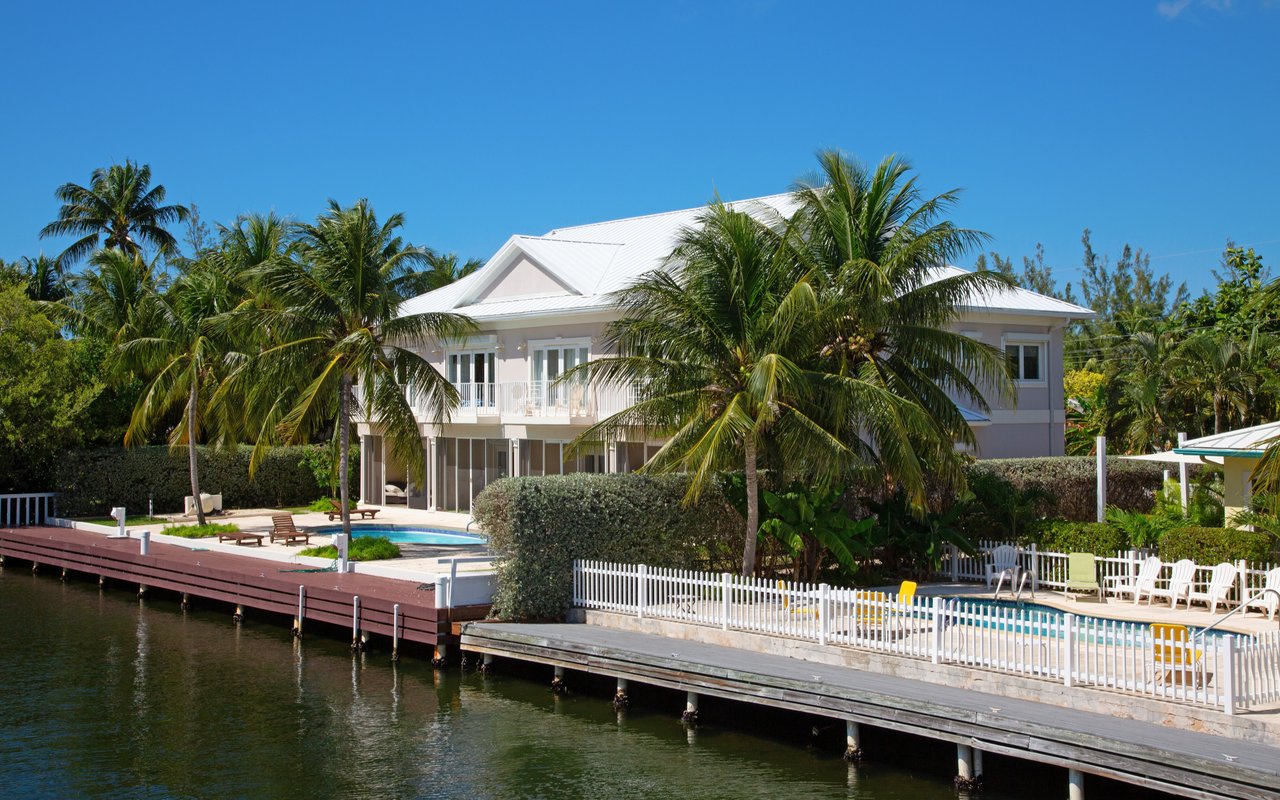
- Daily rhythm: Life orients around the water, with morning paddle sessions, boat traffic, and quiet residential streets. These areas lean more residential and calm.
- Dining and arts: You will drive to Central Avenue or downtown for most dining, galleries, and museum visits.
- Green space: You’ll find small local parks along the bay plus quick access to natural preserves like Boyd Hill Nature Preserve for weekend hikes.
- Getting around: Expect a car-first routine. I-275 is accessible for Tampa commutes, with typical rush-hour delays.
- Practical checks: Parts of these waterfront neighborhoods sit in FEMA flood zones and county evacuation levels. Budget time to verify address-specific details.
- Who it fits: Buyers prioritizing waterfront living, boating access, and quieter residential streets.
Quick links for weekends and logistics
How to shortlist your tour
Use this simple process to focus your home search and touring plan.
Map your daily routine. List your most frequent destinations, like work, gym, kids’ activities, dog park, and favorite restaurants. Note what you want to walk or bike versus what you are comfortable driving.
Match your transit and commute. If you want car-light living, place a pin along the SunRunner corridor and within the downtown Looper area. If you drive daily, use live traffic maps to time your commute during your actual hours. The city’s 25.6 minute average is helpful, but your route may differ.
Check practicals early. Confirm flood zones and evacuation levels by address and talk with your insurance pro about coverage implications. If you are eyeing historic or renovation-ready homes, plan a quick permitting and scope review so surprises do not derail your timing.
Bring this to each tour:
- A weekday and weekend visit plan to see true neighborhood rhythm
- A quick list of top three must-haves for daily life
- Address-specific flood and evacuation info, plus a ballpark insurance estimate
- Your commute timing for both directions during peak hours
When you compare notes, you will see which neighborhoods match both your wish list and your everyday pace.
If you want a local sounding board while you narrow your options, I am here to help you weigh transit access, flood considerations, renovation feasibility, and resale positioning. When you are ready, let’s walk a few blocks together and turn your short list into a clear plan.
Ready to explore the pockets that fit your life? Schedule a Free Consultation with Melissa Hoglund for calm, practical guidance on your next move.
FAQs
What are the best areas for car-light living in St. Petersburg?
- Downtown, North Shore, and the Grand Central corridor offer the most walkable daily life, with SunRunner access and downtown circulators supporting errands and nights out without a car.
How does the SunRunner BRT change daily routines?
- The frequent downtown-to-beach service makes beach days, events, and dining trips easier without parking stress, which is especially helpful for homes near Central Avenue stations.
Where can I find nature beyond the downtown waterfront?
- Larger preserves like Boyd Hill offer trails, boardwalks, and wildlife viewing for weekend hikes and family outings within a short drive of most neighborhoods.
What is the average commute time in St. Petersburg?
- The city’s mean travel time to work is about 25.6 minutes, though actual drive times vary by route, time of day, and whether you use transit options like SunRunner.
How should I evaluate flood and evacuation risk when buying?
- Check the county’s address-level evacuation lookup, review FEMA flood maps with your insurer or advisor, and factor insurance, elevation, and potential retrofit needs into your budget and timing.