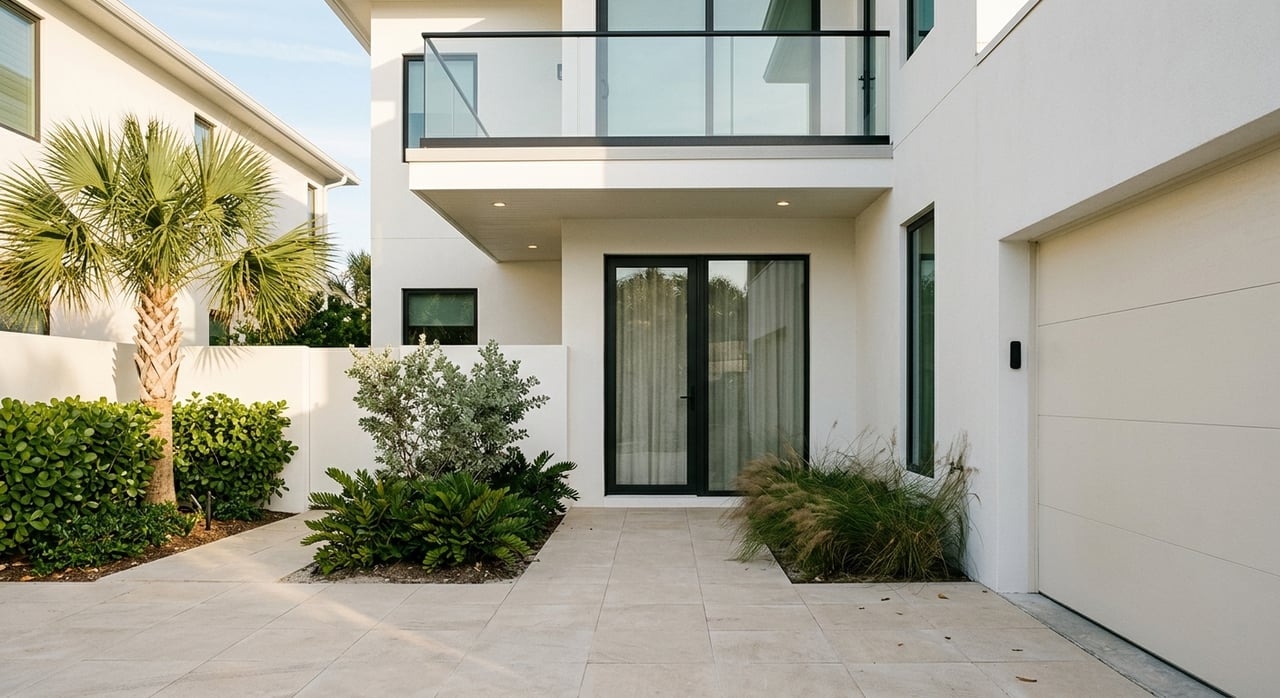
Your Practical St Pete Beach Second Home Guide
A second home in St. Pete Beach can sound like the easy part of coastal ownership. The harder part is knowing what you are really buying beyond the view, the floor plan, and the monthly payment. If you are thinking about a beach condo, townhouse, or house here, this guide will help you sort through the questions that matter most before you commit. Let’s dive in.
In St. Pete Beach, a second-home purchase is not just about lifestyle. It is also about flood exposure, insurance costs, association rules, rental limits, and how you will manage the property when you are not in town.
That does not mean buying here is a bad idea. It means you should approach the purchase with a clear process and verify the property details early, especially if you will not be living there full-time.
If you are buying in St. Pete Beach, flood risk should be part of your first review, not something you circle back to later. According to the City of St. Pete Beach flood information, local development rules address minimum floor elevations, floodproofing, fill limits, and the 50% substantial-improvement threshold.
That threshold matters more than many buyers expect. If reconstruction, rehabilitation, or additions reach or exceed half of a building’s depreciated value, the work may be treated as a substantial improvement, and the structure may need to meet the same standards as a new building.
For you as a second-home buyer, that creates a practical question. A property may function well today and still carry future repair or compliance costs after a storm, major remodel, or insurance claim.
Before you remove contingencies, it helps to confirm a few basics:
FEMA also notes that most homeowners insurance does not cover flood damage. That is why flood-zone verification and insurance pricing should happen early, not after you are emotionally committed to the property.
A second home in Florida usually carries different ownership costs than a primary residence. One of the biggest differences is taxes.
Pinellas County states that a homesteaded property must be the owner’s primary residence, and Florida homestead relief is tied to permanent residence. For most second-home buyers, that means you should not expect homestead exemption or the Save Our Homes cap to lower your carrying costs. You can review that guidance through Pinellas County property tax information.
Insurance also needs to be broken into separate parts. Wind and flood are not the same issue, and you should budget for both based on the exact property.
According to Citizens flood coverage guidance, personal residential policies with wind coverage for homes in a FEMA special flood hazard area must have and maintain flood insurance. Citizens also notes that wind-mitigation features such as impact-rated openings, shutters, and wind-rated roofing may help qualify for discounts.
When you build your ownership budget, include more than mortgage, taxes, and standard utilities. In a coastal market, you should also plan for:
If you will not be local year-round, ask yourself one simple question: Who handles the property when something goes wrong? That answer can shape your budget as much as the insurance quote does.
If you are considering a condo or a home in an HOA, document review deserves serious attention. You are not only buying the property itself. You are also stepping into rules, fees, reserve funding, and possible special assessments.
Under Florida HOA disclosure law, buyers must receive a disclosure summary before signing. The statute also warns that assessments and special assessments can change, and that failure to pay can result in a lien.
Condo purchases involve even more review. Under Florida condominium law, buyers must receive key documents such as the declaration, bylaws, rules, annual financial statement, budget, and, when applicable, milestone inspection summaries and structural integrity reserve study information.
In coastal condo communities, reserve studies and milestone inspections can directly affect your monthly cost of ownership. The Florida DBPR condo inspection guidance explains that if a condo’s structural integrity reserve study shows reserves are insufficient, the association may need to levy assessments or obtain financing to meet its funding plan.
That means the list price alone may not reflect the real carrying cost. A condo that looks attractive on paper can become much more expensive if major repairs, deferred maintenance, or reserve shortfalls are identified.
If you are buying a condo, focus on these items early:
This is one area where a calm, methodical review can save you from expensive surprises later.
A lot of second-home buyers like the idea of offsetting ownership costs with rentals. In St. Pete Beach, that plan only works if the property’s zoning and governing rules actually allow it.
According to the City of St. Pete Beach short-term rental rules, rentals of less than 30 days are not permitted in many districts. The city notes that some districts, including RM and the Pass-A-Grille Overlay, allow limited transient occupancy, while rentals of one month or more are allowed in residences throughout the city.
That is why rental viability is a first-order issue. You should not assume that a property near the beach can legally operate the way you want just because it seems well suited for visitors.
If a property is outside city limits in unincorporated Pinellas County, different rules may apply. Pinellas County’s short-term rental program includes Certificate of Use requirements, inspections, and a complaint process for certain rentals of less than 30 days.
Pinellas County also imposes a 6% tourist development tax on hotels and private homes rented for six months or less. If rental income is part of your ownership plan, the exact jurisdiction should be verified before you move forward.
Owning a second home is easier when you know who will respond to routine issues and storm-related problems. That matters even more if you live out of area.
Property management is not one-size-fits-all. Florida’s public-lodging rules state that a licensed agent may be a management company authorized by the owner to hold out a dwelling for transient rental, while community association management is treated as a separate regulated activity. You can see that distinction in the Florida licensing materials for public lodging.
For you, the takeaway is simple. Make sure any manager you hire is licensed and experienced for your exact property type and intended use.
If you want a cleaner path to closing, follow this sequence before you fully commit:
This order can help you reduce surprises, compare properties more realistically, and make decisions with better information.
In a market like St. Pete Beach, the details can shape the deal as much as the location itself. Flood rules, renovation feasibility, condo reserves, and rental restrictions all affect what ownership looks like after closing.
That is why a second-home purchase here benefits from practical, local guidance and a process that stays focused on verification. If you want help evaluating a property, reviewing the questions to ask, or building a smart game plan for coastal ownership, connect with Melissa Hoglund for a clear, low-pressure conversation.
Explore more timely articles covering buying, selling, and investing in today’s market. Melissa’s background brings a data-driven, professional lens to every topic.
May 7, 2026
April 23, 2026
April 16, 2026
April 2, 2026
March 24, 2026
March 5, 2026
February 19, 2026
Melissa’s approach is steady and informed. She advocates with professionalism. Results follow preparation.
Melissa Hoglund
2933 W Bay Drive Belleair Bluffs, FL 33770