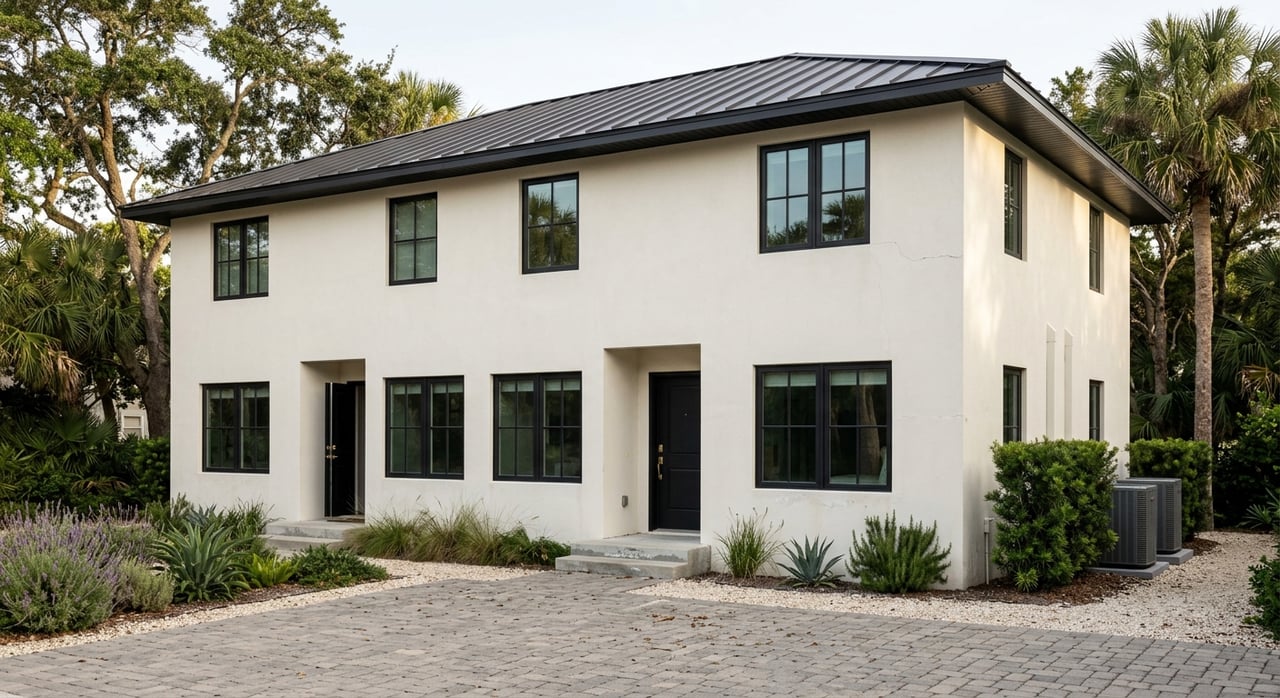
A Practical Guide to Investing in Small Rentals in Dunedin
If you are looking at small rentals in Dunedin, it is easy to get pulled in by the lifestyle appeal first. Waterfront access, a lively downtown, the Pinellas Trail, and a steady calendar of community events all make the city attractive. But if you want an investment that works on paper and in real life, you need to look past the charm and focus on rent range, flood exposure, zoning, and renovation feasibility before you close. Let’s dive in.
Dunedin is a small coastal city with an estimated 2024 population of 35,932. It has an owner-occupied housing rate of 71.1%, which means it is more owner-heavy than many markets investors compare side by side. For you, that matters because demand for rentals may be more targeted and location-sensitive rather than broad across every property type.
The local renter profile also points toward smaller households. Dunedin averages 2.03 persons per household, and 35.3% of residents are age 65 or older. That mix suggests many renters may be looking for practical layouts, easy upkeep, reliable internet access, and convenient parking rather than oversized floor plans.
Dunedin’s setting supports that demand. City materials highlight about four miles of Gulf and St. Joseph Sound frontage, access to Honeymoon Island State Park, 31 parks, a downtown Pinellas Trail connection, restaurants, festivals, and spring-training activity. For a small rental, those lifestyle features can strengthen appeal to tenants who value walkability, recreation, and a neighborhood feel.
In Dunedin, a small rental purchase should begin with fit, not just price. Because the city is owner-heavy and has a sizable older population, smaller units in well-located areas may line up better with demand than properties that depend on a large household renter pool. That does not mean larger rentals cannot work, but it does mean your assumptions should be specific to the property and location.
For many buyers, duplexes, triplexes, and modest single-family rentals are the most practical place to start. These properties can offer flexibility on exit strategy while keeping the scope manageable. Still, you should confirm the parcel’s actual zoning, setbacks, height limits, and story limits before you treat any property as a straightforward income play.
One of the easiest mistakes in underwriting a small rental in Dunedin is choosing one rent figure and building the whole deal around it. Public data points vary. The Census reports median gross rent at $1,675, Pinellas County’s 2025 consolidated plan lists a two-bedroom HUD Fair Market Rent of $1,851, and Zillow reported an average rent of $2,140 in Dunedin as of March 31, 2026.
Those figures are not interchangeable. They come from different methods and measure different things, so they should be used as a range rather than a single answer. If you are underwriting conservatively, it helps to test multiple scenarios instead of letting the highest number set the tone for your offer.
Build your model with a low, middle, and high case. That gives you a better feel for whether the deal still works if leasing takes longer or the final rent lands below your best comp. In a market like Dunedin, conservative assumptions can save you from overpaying up front.
A simple framework can look like this:
Your exit matters just as much as your monthly rent. In spring 2026, public pricing benchmarks for Dunedin also varied: Zillow showed an average home value of $405,386, Realtor.com reported a median listing price of $419,000, and Redfin reported a median sale price of $455,000. Like rent data, these are different measures and should not be treated as one clean pricing answer.
Zillow also reported that homes in Dunedin go pending in around 37 days. That tells you the resale market can move, but it also suggests pricing and presentation still matter. If your plan depends on a fast resale at a premium, you need strong submarket comps and realistic expectations.
Before you commit, decide which exit path is most realistic:
That decision should come after you verify zoning, flood status, and renovation scope. In Dunedin, those three factors can materially change whether your original plan still makes sense.
This is one of the biggest practical issues in Dunedin. If a property is in a special flood hazard area, renovation plans can become more complex and more expensive than expected. The city’s substantial-improvement review states that repairs, reconstruction, rehabilitation, additions, or improvements that cumulatively reach 50% or more of a structure’s market value over a five-year period can trigger current flood-compliance requirements.
That can include elevation above the base flood elevation or design flood elevation. It is also important that items many buyers think of as minor, such as cabinets, floor covering replacement, and fixture replacement, can count toward that calculation. In other words, what looks like a cosmetic project on day one may be treated very differently once the city reviews the total scope.
Before your inspection or due diligence periods end, confirm:
This step is especially important for small multifamily properties. Dunedin’s floodplain approval materials cover both residential properties with one to four families and properties with more than four families.
In Dunedin, permit and plan requirements deserve serious attention early. The city’s permitting guide says a typical renovation package can require floor plans, roof and framing plans, exterior elevations, electrical, mechanical, and plumbing plans, wind design data, and Florida Product Approvals. That is a meaningful documentation load for what some buyers might first label a simple rehab.
Permit fees can also include more than the basic permit itself. The city notes possible state surcharges, fire-review fees, impact fees, and water meters. In the guide’s $50,000 construction-value example, combination permit fees run at roughly $500 before add-on charges.
In this market, your contractor is not just a bid source. You need someone who understands local permit expectations and can help define the scope clearly before closing. If your team underestimates the paperwork, wind design requirements, or floodplain documentation, your budget and timeline can shift quickly.
Dunedin’s zoning summary identifies multifamily districts including MF-7.5, MF-10, MF-12.5, and MF-15. But the city also makes clear that this summary is only a dimensional reference and not the full Land Development Code. That means you should not rely on a quick zoning label alone when evaluating a duplex or triplex purchase.
Instead, verify the exact parcel details before closing. Confirm allowed use, setbacks, height, story limits, and any other site-specific constraints that could affect improvements or future plans. This is one of the simplest ways to avoid buying a property that looks flexible on paper but is limited in practice.
Some investors look at Dunedin and immediately think about a vacation-rental exit. The city does regulate that use separately, and the requirements are specific. Registration materials require city approval, Florida Department of Revenue and Pinellas County tax registration, DBPR vacation-rental licensure, a city business tax receipt, proof of liability insurance, and an initial fire inspection.
There are also operating requirements that affect feasibility. The annual registration fee is $200 per rental unit, there must be a 24/7 responsible party within 25 miles, one off-street parking space per bedroom is required, and the approved registration number must appear in advertising. If your purchase only works as a short-term rental, confirm all of this before you rely on that exit.
When you are evaluating a small rental here, order matters. It is tempting to start with projected rent and resale value, but in Dunedin the better sequence is more practical. You want to rule out the issues that can materially change feasibility before you spend time polishing your pro forma.
A conservative sequence looks like this:
This approach is especially useful if you are building a 1 to 10 property portfolio. The big mistake to avoid is treating a Dunedin purchase as only a rent-and-price exercise.
For a market like this, the right team can reduce risk and help you move faster with better information. According to the practical acquisition sequence in the research, the most useful team members are:
That mix reflects the realities of the Dunedin market. Rent matters, but so do paperwork, compliance, insurance considerations, and a realistic view of project cost.
If you are buying a small rental in Dunedin, local knowledge is most useful before you write the offer and before your deadlines expire. You want someone who can help you pressure-test the numbers, spot renovation feasibility issues, and stay calm when a property looks simple on the surface but has layers underneath. That is where preparation often creates the best outcome.
Melissa Hoglund works with buyers, sellers, and small investors across Pinellas County with a practical, advisory-first approach. If you want help evaluating a Dunedin income property with clear eyes and a solid process, Melissa Hoglund is a smart place to start.
Explore more timely articles covering buying, selling, and investing in today’s market. Melissa’s background brings a data-driven, professional lens to every topic.
June 4, 2026
May 28, 2026
May 21, 2026
May 14, 2026
May 7, 2026
April 23, 2026
April 16, 2026
April 2, 2026
March 24, 2026
Melissa’s approach is steady and informed. She advocates with professionalism. Results follow preparation.
Melissa Hoglund
2933 W Bay Drive Belleair Bluffs, FL 33770