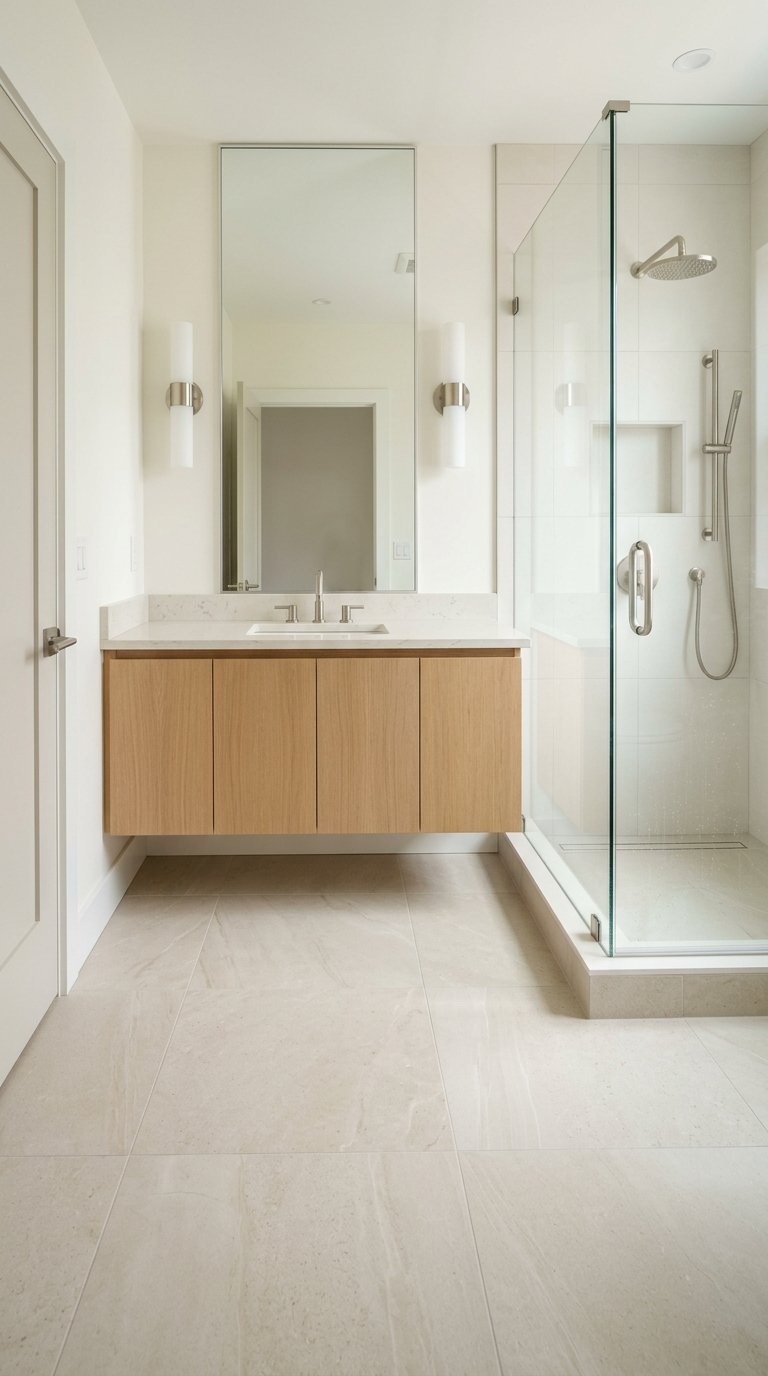
Selling a Home in Harbor Bluffs: What to Fix Before Listing
If you are thinking about selling in Harbor Bluffs, one question matters more than almost anything else: what will buyers notice first about your home’s condition and value? In a neighborhood with many mid-century homes, buyers often look closely at maintenance, updates, and paperwork, not just style. The good news is that you do not need to over-improve to make a strong impression. You need a smart plan that reduces uncertainty, supports your asking price, and helps your home compete. Let’s dive in.
Harbor Bluffs is a census-designated place in Pinellas County that spans Belleair Bluffs, Belleair Beach, and Largo jurisdictions. Housing data shows a neighborhood made up almost entirely of detached single-family homes, with 98.9% of housing units in that category and a median construction year of 1965. That age profile shapes what buyers tend to focus on when they walk through a home.
Recent market data also points to a more balanced environment, not a rushed seller’s market. Realtor.com’s March 2026 summary reported a median listing price of $890,000, 35 active listings, median days on market of 98, and a sale-to-list ratio of 95%. Its recently sold page showed 26 sold properties with an average of 99 days on market and a median listing home price of $799,000.
You may also notice different price numbers on different websites. For example, Redfin’s March 2026 page showed a median sale price of $567,500. That gap is a reminder that portal estimates use different methods and time windows, which is why current, parcel-level comparable sales matter much more when you are pricing your home.
In Harbor Bluffs, the age of the housing stock means buyers often pay close attention to signs of upkeep. They may look past the fact that a kitchen is not brand new if the home feels well cared for, but visible deferred maintenance can quickly raise concerns. In a balanced market, buyers usually have time to compare one listing against another.
That means the home that feels cleaner, more complete, and easier to understand often has an advantage. A tidy property with clear records and fewer visible questions can feel less risky to a buyer. That can affect both showing activity and the strength of offers you receive.
Before listing, it helps to separate updates into three buckets: must-fix items, worthwhile prep, and projects to skip. This keeps you from spending money in the wrong places right before you sell. In many Harbor Bluffs homes, the goal is not to create a fully remodeled product. The goal is to make the home feel solid, cared for, and market-ready.
Start with any issue that could affect safety, financing, insurance, or permitting. This includes leaks, water intrusion, structural concerns, visible storm damage, and incomplete work that could create questions during due diligence. These items can delay a sale or push buyers to negotiate harder.
If your property had storm-related repairs, documentation becomes especially important. Pinellas County notes that work that normally requires a permit still needs one after a storm, including drywall, cabinetry, roof repairs, siding, HVAC work, and window or door replacement. Cleaning up unfinished permit records before listing can make a major difference.
Once the major items are addressed, focus on updates that improve first impressions. According to NAR’s 2025 Remodeling Impact Report, the projects most often recommended before listing include painting the entire home, painting a single interior room, and addressing the roof. Kitchen upgrades and bathroom renovations followed behind those more foundational improvements.
For Harbor Bluffs sellers, the most effective updates are often simple:
These kinds of improvements can help buyers feel the home has been maintained, even if every finish is not new. In an older-home market, that confidence matters.
Some projects may also offer better resale impact than others. NAR reported that a new steel front door had 100% cost recovery, while a new fiberglass front door had 80% and a closet renovation had 83%. That does not mean every seller should start replacing doors, but it does show that entry improvements and practical upgrades can pay off.
If your budget is limited, think in terms of reducing hesitation rather than chasing trends. A home that feels polished at the front door and consistent throughout can often outperform one with one flashy room and several unresolved issues.
Large-scale remodels right before listing are often harder to justify in a balanced market. A full gut renovation or major addition may not return enough to offset the time, cost, and risk involved. Unless nearby comparable sales clearly support that level of investment, many sellers are better served by a focused preparation plan.
Permit history can influence both buyer confidence and transaction speed. Pinellas County requires permits for new buildings, additions, remodeling, demolition, or work in excess of $500. Common permit jobs include window replacement, water heater replacement, and additions, while cosmetic work like painting and carpet installation usually does not require a permit.
Because Harbor Bluffs spans multiple jurisdictions, the right building department depends on the property address. Some homes may fall under a city rather than unincorporated Pinellas County. Before you assume what applies, confirm which jurisdiction handles your parcel.
For storm-affected homes, this step is even more important. Pinellas County has warned that unnecessary demolition can push a home toward the substantial-damage threshold. In flood-hazard areas, if repair costs meet or exceed 49% of the structure’s actual cash value, the home may need to be elevated or rebuilt to current flood standards.
The county is also waiving penalties for after-the-fact storm permits through June 30, 2026. If you have open storm-related work, this may be a good time to organize records and resolve loose ends before you go live on the market.
In Harbor Bluffs, flood-related paperwork should be part of your pre-listing file. Pinellas County says everyone in the county is in a flood zone, and FEMA flood maps control federal flood insurance requirements. Florida law also requires sellers of residential real property to provide a flood disclosure to the buyer at or before contract execution.
Florida disclosure rules also matter beyond flood issues. If you know about facts that materially affect the property’s value and those facts are not readily observable, you generally have a duty to disclose them, even in an as-is sale. For sellers, this is another reason to get organized before listing rather than scrambling once a buyer starts asking questions.
Because Harbor Bluffs homes have a median construction year of 1965, many properties may also be pre-1978. In most pre-1978 housing, buyers have the right to know about lead-based paint hazards before signing, and known hazards must be disclosed.
One of the easiest ways to build buyer trust is to have your paperwork ready early. This can help show that your pricing and condition story are supported, not guessed. It also reduces stress once you are under contract.
A strong Harbor Bluffs pre-listing file may include:
You do not need a perfect file to sell, but the more clearly you can document the home, the easier it is for buyers to understand what they are purchasing.
Even a well-prepared home can sit if it is priced as though the market is moving faster than it really is. With median days on market near 98 to 99 days in recent Harbor Bluffs data, pricing deserves careful attention. Buyers have options, and they are likely comparing condition, lot characteristics, location, and update level across similar homes.
That is why pricing should be tied to current comparable sales and your home’s specific condition. A seller who addresses key repairs, improves presentation, and documents updates is in a stronger position to defend value. A seller who skips prep may still sell, but often with more negotiation pressure.
If you want the clearest path forward, keep your prep plan simple and practical.
Handle leaks, storm damage, structural concerns, and open permit questions first. These issues can affect inspections, insurance, financing, and buyer confidence.
Use fresh paint, cleaning, landscaping, and small cosmetic updates to make the home feel maintained and welcoming. In Harbor Bluffs, this often matters more than chasing luxury finishes.
Organize permit records, roof information, insurance documentation, flood disclosures, and repair history before listing. This can make the transaction smoother and more credible.
Use current local comparable sales, not just portal estimates, to set expectations. A realistic price paired with strong preparation often creates better results than an ambitious list price without support.
Selling in Harbor Bluffs is rarely about doing everything. It is about doing the right things in the right order. When you reduce uncertainty, improve presentation, and support your value with documentation, you give buyers more reasons to move forward with confidence.
If you want a calm, preparation-first plan for your Harbor Bluffs sale, Melissa Hoglund can help you evaluate what to fix, what to leave, and how to position your home for today’s market.
Explore more timely articles covering buying, selling, and investing in today’s market. Melissa’s background brings a data-driven, professional lens to every topic.
July 23, 2026
July 16, 2026
July 9, 2026
July 2, 2026
June 25, 2026
June 18, 2026
June 11, 2026
June 4, 2026
May 28, 2026
Melissa’s approach is steady and informed. She advocates with professionalism. Results follow preparation.
Melissa Hoglund
2933 W Bay Drive Belleair Bluffs, FL 33770