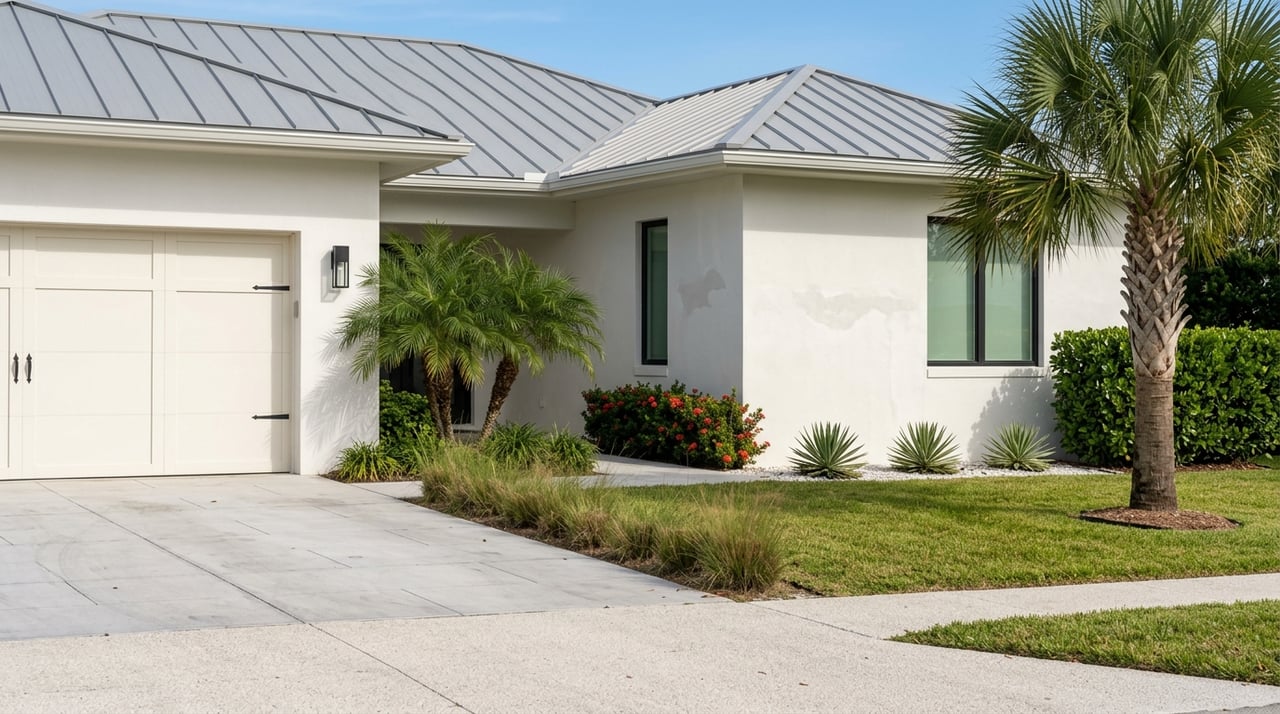
Planning A Major Renovation In Harbor Bluffs Before You Sell
Thinking about a big renovation before you sell in Harbor Bluffs? It can feel like the smart move, especially if your home needs updates or you want to make a stronger first impression. But in Pinellas County, a major project can also affect permits, inspections, timing, and even floodplain compliance in ways that change your sale strategy. This guide will help you decide what is worth doing, what may be better to skip, and how to plan the work without derailing your listing timeline. Let’s dive in.
Before you commit to a major renovation, ask yourself a simple question: are you trying to improve your lifestyle, or are you trying to make your home easier to sell? Those are not always the same thing.
A project can feel exciting and still be a weak pre-listing investment. The 2025 NAR Remodeling Impact Report found that only 5% of homeowners said better resale was their main reason for remodeling, while most focused on function, durability, or appearance. That matters because a project that makes daily life better for you may not deliver the same value when your goal is a smooth sale.
In Harbor Bluffs, I recommend sorting pre-sale work into four buckets before you spend money.
This includes items that could raise immediate concerns during buyer inspections or lender review. If something affects structure or core systems, it deserves attention first.
Pinellas County says most work that changes the structure or the electrical, plumbing, or mechanical systems requires a permit. Minor repairs under $500 that do not involve those systems generally do not.
This is especially important in Pinellas County. If your home is in a flood hazard area, special building regulations and substantial improvement rules may apply.
The biggest planning issue is the county’s 49% threshold. Pinellas County explains that if repair or improvement costs reach 49% or more of the structure’s actual cash value, the home may have to be elevated or rebuilt to current floodplain standards.
These are the items buyers notice right away. Paint, roof condition, curb appeal, entry appearance, and clean kitchen or bath updates often help a home show better without creating the complexity of a full remodel.
This is where sellers can overspend. A highly customized renovation may suit your taste, but it can be risky when you are preparing to sell instead of planning to stay.
A large renovation often looks straightforward on paper, but the real timeline is rarely just the days a contractor is on site. In Harbor Bluffs, your schedule may also need to include permit review, possible floodplain review, material lead times, inspections, and final closeout.
Pinellas County requires inspections for all permitted building and construction projects. Inspection requests can be scheduled up to nine business days ahead, which can slow sequencing if one trade cannot move forward until another inspection is complete.
For larger projects, the county also requires structural plans to be digitally signed and sealed by a Florida-registered architect or engineer. Some jobs also need product approvals for windows, doors, and roofing materials, and projects over $2,500, or $7,500 for HVAC, require a Notice of Commencement before the first inspection.
That means a renovation that seems simple can become a listing delay if you start too late or choose the wrong scope.
If your main goal is to reduce buyer objections and present the home well, simpler projects are often the better bet.
According to NAR’s 2025 data, the seller-facing projects most often recommended before listing were:
NAR also reported strong recent buyer demand growth for:
There is also a strong curb appeal angle. In NAR’s outdoor-features report, 92% of REALTORS said they had suggested curb appeal improvements before listing, and 97% said curb appeal is important in attracting a buyer.
For many Harbor Bluffs sellers, that points to a practical takeaway: visible, easy-to-understand improvements often do more for marketability than a large, highly personal remodel.
Buyers tend to respond quickly to improvements they can see and evaluate easily. A clean exterior, fresh paint, a well-maintained roof, and an inviting entry usually create fewer questions than a major interior reconfiguration.
NAR reported 100% cost recovery for a new steel door in its 2025 report. That does not mean every small exterior upgrade will fully pay for itself, but it does support the idea that modest, visible improvements can sometimes be more defensible than a bigger discretionary renovation.
Because Harbor Bluffs is an unincorporated area of Pinellas County, the county is the default permitting office unless a specific parcel falls under a different jurisdiction. That matters if you are trying to line up renovation completion with staging, photography, and launch.
Pinellas County offers Express Permits for some simple standalone projects with a review time of 0 to 2 business days. Residential permits for additions, interior remodels, roofs, pools, solar, and trade work typically involve a fuller review process.
If you are considering a larger project, it helps to know early whether the work needs:
This is where planning ahead can protect your timeline.
In Harbor Bluffs, floodplain status is not a small detail. It can reshape the cost and feasibility of a renovation.
Pinellas County says homes in a flood hazard area are subject to substantial damage rules, and sellers should get required permits before starting work. If your project cost approaches the county’s substantial improvement threshold, the scope can change from a cosmetic update to a much more serious compliance conversation.
That is one reason I encourage sellers to pause before starting a major remodel. If the work could trigger larger requirements, you want to know that before you order materials or commit to a contractor.
A strong contractor conversation can save you time, money, and listing stress. Pinellas County recommends verifying the contractor’s license and experience, and reminds owners that an occupational license is not the same as a construction license.
You should also get a written estimate with a detailed scope, start and completion dates, payment schedule, materials, total cost, and warranties. Beyond that, these are the most useful seller questions to ask before you move forward:
One more important note: Pinellas County flags it as a warning sign when a contractor asks the homeowner to pull the permit as an owner-builder to save money.
If you are still unsure, use this practical test: will the project reduce obvious buyer objections, or is it mainly a lifestyle upgrade?
If it reduces friction around condition, roof concerns, visible wear, permit status, or flood compliance, it may be worth doing. If it is mostly about personal taste or a dream layout change, it may be better to skip it and focus on preparation that supports pricing and presentation.
In many Harbor Bluffs sales, the winning strategy is not the biggest renovation. It is the clearest one. Buyers respond well to homes that feel well cared for, easy to understand, and ready for a smooth transaction.
If you do move ahead with work, build your calendar backward from your ideal listing date. That gives you room for permit review, inspections, closeout, cleaning, staging, and photography.
A realistic sequence often looks like this:
This kind of planning helps you avoid the common problem of finishing the visible work while the paperwork is still open.
If your Harbor Bluffs home needs attention before you sell, you do not have to guess your way through it. The goal is not to do the most work. The goal is to do the right work, in the right order, with a realistic understanding of permits, inspections, and floodplain rules.
That is where calm, local guidance can make a real difference. If you want help thinking through renovation scope, listing readiness, staging, or contractor coordination before you go to market, reach out to Melissa Hoglund for a free consultation.
Explore more timely articles covering buying, selling, and investing in today’s market. Melissa’s background brings a data-driven, professional lens to every topic.
July 23, 2026
July 16, 2026
July 9, 2026
July 2, 2026
June 25, 2026
June 18, 2026
June 11, 2026
June 4, 2026
May 28, 2026
Melissa’s approach is steady and informed. She advocates with professionalism. Results follow preparation.
Melissa Hoglund
2933 W Bay Drive Belleair Bluffs, FL 33770