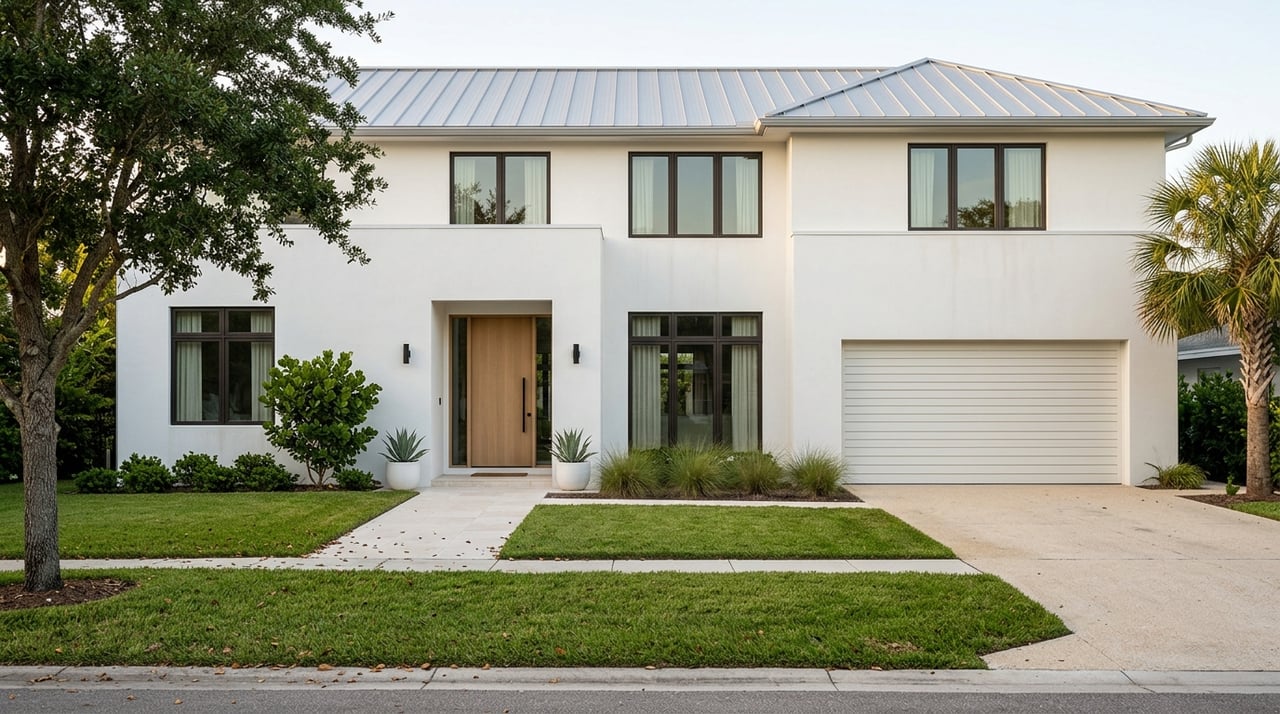
How To Sell Your Belleair Home When You Live Out Of State
Selling a home is hard enough when you live nearby. Doing it from another state can feel like a full-time project, especially when permits, repairs, paperwork, and closing details all need attention. The good news is that if you own a home in Belleair, Florida law and local systems make a remote sale possible with the right preparation and local coordination. Let’s dive in.
If you live out of state, the biggest difference is not whether you can sell. It is how carefully you need to plan the steps before your home hits the market.
In Florida, real estate conveyances still need to be in writing and signed with two subscribing witnesses. At the same time, Florida law allows online notarization and online-notary-supervised witnessing through real-time audio-video technology, which gives many out-of-state sellers a practical path to sign documents remotely.
That flexibility can make the sale process much easier. Still, your closing team may prefer one method over another, such as remote online notarization, a mail-away package, or a power of attorney workflow, so it helps to confirm that early.
Before you think about photos, pricing, or showings, start with the home’s permit and condition status. In Belleair, this matters because the town’s building department oversees code compliance, permits, and inspections for work such as roofing, windows, fences, driveways, plumbing, electrical, and mechanical updates.
If there are open permits, unfinished repairs, or storm-related issues, they can slow down your timeline later. A remote sale usually goes more smoothly when those details are identified upfront instead of discovered during buyer due diligence.
Belleair also offers an online permit portal that allows users to apply for permits, upload documents, pay fees, check permit status, and schedule inspections. That is a major advantage for an out-of-state seller, because it reduces the need to travel back for every administrative step.
Belleair requires inspections for permits, and some coastal or substantial improvement projects may involve extra FEMA-related compliance documentation. If your property had post-storm repairs, flood-related work, or larger renovations, it is smart to verify what is complete and what still needs follow-up before listing.
The town also requires contractors to be licensed in Florida and registered with Belleair. If you need pre-sale work done, that local requirement makes vendor selection more important, especially when you are managing the process from afar.
Out-of-state sellers often assume the hard part is the closing paperwork. In reality, the harder part is usually local coordination before the home is listed.
If your home needs cleaning, debris removal, minor repairs, touch-ups, staging, or contractor access, someone local needs to keep those pieces moving. This is where a preparation-first listing strategy can save time, reduce stress, and help you avoid last-minute surprises.
A strong local plan may include:
In Belleair, this kind of coordination is especially helpful because construction and repair work must follow town rules on hours and daily debris cleanup. When you are not physically present, those details are easier to miss.
One of the best ways to stay in control during a remote sale is to digitize your paperwork early. That way, when your advisor, title company, or contractor needs something, you are not scrambling across time zones.
A practical document checklist includes:
Having these documents ready can help your sale move faster and reduce confusion once a buyer is under contract.
If you are selling residential real property in Florida, state law requires a flood disclosure at or before contract execution. If you have filed a flood-related insurance claim or received federal flood assistance, that information must be disclosed on the statutory form.
For Belleair sellers, this is an important part of remote preparation because flood history is not something you want to sort out at the last minute. It is much easier to gather accurate records before marketing begins than to try to reconstruct them after a buyer asks questions.
Buyers may want clarity on repairs, storm history, and permit status. If your records are organized and your disclosure process is thoughtful, you can answer those questions with less stress and more confidence.
That does not just protect the transaction. It also helps buyers feel that the sale is being handled carefully, which can support smoother negotiations.
Many out-of-state sellers ask the same question: Do I need to come back to Florida to close? In many cases, the answer is no.
Florida allows online notarization and remote witnessing for electronic records through audio-video communication technology. That gives sellers a workable legal framework for signing many closing documents from another state.
Another option may be a mail-away package, depending on the title company’s process. In some cases, a properly drafted power of attorney may also be used, but Florida law limits an agent to the authority specifically granted in the POA.
If you plan to use a power of attorney, do not assume a general document will cover the sale. The authority must be specifically granted, and Florida law expressly recognizes authority to convey or mortgage homestead property.
If the property is homestead and the owner is married, spouse joinder may be required. Because closing logistics vary, it is wise to confirm the acceptable signing method with the title company as early as possible.
One of the biggest risks in a remote closing is not the signing itself. It is the movement of money.
The Consumer Financial Protection Bureau warns that wire and money-transfer fraud are common scams, including scams where someone impersonates a real estate or settlement professional. The FBI also warns that it will never ask private citizens to move money by wire transfer, cryptocurrency, gift cards, or prepaid cards.
For sellers, the takeaway is simple: verify every wire instruction through a trusted, known contact before sending or receiving funds. If anything changes at the last minute or feels unusual, pause and confirm.
If your Belleair home currently has a homestead exemption, the Pinellas County Property Appraiser says you no longer qualify once the property is sold or otherwise disposed of, rented, or no longer used as your homestead. That means you should plan to notify the property appraiser when the sale occurs.
This is easy to overlook when you are focused on the transaction itself, but it is an important after-sale step. If you later buy another qualifying Florida homestead, Save Our Homes portability may be relevant, according to the Pinellas County Property Appraiser.
If you want to keep the process manageable, focus on the sequence. Remote sales usually work best when you move through the steps in the right order.
Start with permits, repairs, flood history, and overall condition. This gives you a clean picture of what needs attention before listing.
Identify who will coordinate cleaners, contractors, inspections, key access, and listing prep on the ground. Local execution matters just as much as pricing.
Digitize ownership records, payoff information, permit files, repair documentation, and disclosures. A well-organized file can prevent delays later.
Ask the title company what remote-closing method they prefer. It is easier to solve signing logistics before a deadline is looming.
Use a secure, verified process for wire instructions and sale proceeds. A few extra minutes of confirmation can prevent a major problem.
Selling a Belleair home from out of state is absolutely doable, but it is rarely a process you want to improvise. The smoothest transactions usually come from clear communication, strong local coordination, and early attention to permits, disclosures, and closing logistics. If you want a calm, preparation-first plan for your Belleair sale, Melissa Hoglund can help you coordinate the details and move forward with confidence.
Explore more timely articles covering buying, selling, and investing in today’s market. Melissa’s background brings a data-driven, professional lens to every topic.
July 23, 2026
July 16, 2026
July 9, 2026
July 2, 2026
June 25, 2026
June 18, 2026
June 11, 2026
June 4, 2026

May 28, 2026
Melissa’s approach is steady and informed. She advocates with professionalism. Results follow preparation.
Melissa Hoglund
2933 W Bay Drive Belleair Bluffs, FL 33770